Stitching the Aboocado a-boo-cado Design
As an embroidery designer who spends more time staring at digitized paths than I do sleeping, I have learned to be skeptical of novelty graphics. The market is flooded with puns that look great on a screen but turn into a tangled mess of thread on fabric. However, when I first pulled up the Aboocado a-boo-cado Funny Halloween file, I paused. It wasn’t just another generic spooky graphic; it was a clever intersection of millennial humor and seasonal charm. For those of us running small shops or crafting personalized gifts, finding a design that balances wit with stitchability is rare. This review breaks down how this specific illustration performs when moved from a digital asset to a tangible, stitched reality.
First Impressions: Mood and Visual Personality
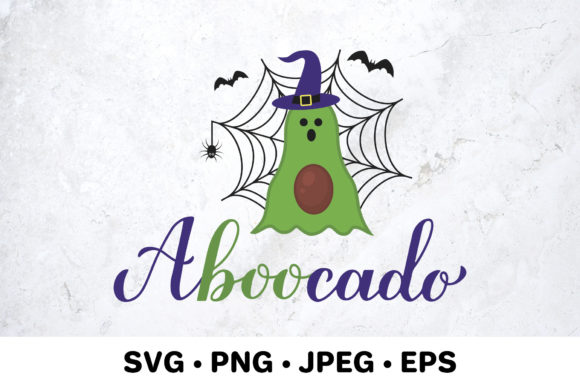
The immediate appeal of the Aboocado a-boo-cado Funny Halloween concept lies in its playful duality. It merges the comforting, trendy aesthetic of avocado toast culture with the whimsical, slightly spooky vibe of Halloween. Visually, the design relies on clean lines and recognizable shapes. In the context of Illustrations and Graphics, this simplicity is a strength. Complex gradients and subtle shading often fail in embroidery, but bold, vector-style outlines translate beautifully into thread.
The mood is lighthearted. It does not take itself seriously, which makes it perfect for casual wear and home decor. When evaluating the layout, I noticed the balance between the text and the graphical element. For a machine embroidery design, this balance is critical. If the text is too thin, it will vanish into the fabric pile. If the graphic is too dense, it will pucker the material. This design appears to respect those boundaries, offering a layout that feels open and breathable rather than cluttered.
Real-World Application: From Screen to Stitch
To truly test the viability of this design, I imagined a specific project: a custom embroidered tote bag for a local farmer’s market October event. Tote bags are typically made of canvas or heavy cotton, fabrics that can handle moderate stitch density without warping. The Aboocado a-boo-cado Funny Halloween design would sit centrally on the bag, acting as a conversation starter.
In this scenario, the choice of thread colors becomes paramount. A vibrant green for the avocado skin, a creamy yellow-green for the flesh, and a stark white or orange for the ghostly elements would create high contrast. The pun relies on visual recognition; if the colors muddy together, the joke is lost. I also considered this design for sweatshirt embroidery. On a fleece or French terry fabric, the design would need to be scaled up slightly to ensure the lettering remains legible against the textured background. The "a-boo-cado" text needs enough weight to stand out, likely requiring a satin stitch border or a careful fill stitch approach to maintain clarity.
For Etsy sellers and craft business owners, this design offers versatility. It is not limited to apparel. Imagine it as an embroidered patch on a denim jacket, a decorative accent on a kitchen towel, or even a cute detail on a baby onesie for a "my first Halloween" photo op. The commercial embroidery potential is strong because it appeals to a broad demographic: young adults who love puns, parents looking for cute holiday items, and anyone who enjoys quirky home decor.
Navigating Technical Challenges
While the design is charming, practical application requires caution. Not every fabric or hoop size is suitable. Here are the key areas where you must exercise professional judgment:
- Hoop Size and Scaling: Before loading the embroidery file, check the dimensions. If you are working with a small 4x4 hoop, you may need to resize the design. Be careful not to scale it down so much that the small details of the avocado pit or the ghost features become indistinguishable blobs of thread.
- Fabric Texture and Stability: Textured fabrics like waffle knit or heavy linen can swallow fine details. For the Aboocado a-boo-cado Funny Halloween design, I recommend using a cut-away stabilizer for stretchy fabrics like t-shirts to prevent distortion after washing. For woven fabrics like aprons or pillow covers, a tear-away stabilizer might suffice, but always test on scrap fabric first.
- Stitch Density: Review the digitizing. If the green areas of the avocado use a dense fill stitch, it could cause puckering on thinner materials like cotton voile or lightweight jersey. If you have access to the digitized version, check if you can adjust the pull compensation or reduce density. If you are using a pre-digitized file, ensure it is optimized for general use.
- Lettering Legibility: Puns live or die by their readability. Ensure the font used in the design has sufficient thickness. Thin, script-style fonts often fail in embroidery unless they are very large. If the design uses a blockier, sans-serif style, it will hold up better in smaller sizes.
Enhancing Product Value and Brand Consistency
Using a well-chosen design like this can significantly boost the perceived value of your handmade product. Customers are not just buying a shirt or a mug; they are buying a moment of joy. The Aboocado a-boo-cado Funny Halloween theme taps into current cultural trends, making your items feel relevant and fresh. For boutique branding, consistency is key. If your shop focuses on witty, modern designs, this graphic fits seamlessly. If your brand is more traditional or rustic, it might feel out of place.
When creating printable mockups or digital product previews, pay attention to presentation. Show the design on various items: a cozy sweater, a ceramic mug, a vinyl decal on a water bottle. This helps customers visualize the finished product. For digital embroidery file sellers, providing clear images of the stitched result on different fabric colors builds trust. Buyers want to see how the thread colors interact with dark navy versus light heather gray.
Practical Designer Notes for Execution
Before you commit to a full production run or list this as a new item in your small shop product line, follow these steps:
- Test on Scrap Fabric: Never skip this step. Stitch the design on the same type of fabric you plan to use for the final product. Check for puckering, thread breaks, and color blending.
- Check Thread Color Contrast: Use a color chart to select threads that pop. Avoid placing similar shades next to each other unless intentional blending is desired. For Halloween, traditional oranges, blacks, and purples can complement the avocado greens nicely.
- Verify Licensing: If you are selling finished items, confirm the license terms of the Aboocado a-boo-cado Funny Halloween file. Some creators allow commercial use for physical products but restrict the resale of the digital file itself. Always respect intellectual property rights.
- Consider the Audience: This design is family-friendly and fun. It works well for community events, school fundraisers, or casual holiday parties. It may not be suitable for formal corporate gifts or high-end luxury apparel.
- Mockup Testing: Create black and white mockups to ensure the design holds its shape without color reliance. If the design looks confusing in grayscale, it may need simplification or higher contrast stitching.
In conclusion, the Aboocado a-boo-cado Funny Halloween design is a solid addition to any creative entrepreneur’s library. It balances humor with aesthetic appeal, offering a versatile option for various embroidery projects. By paying attention to technical details like stabilizer choice, stitch density, and fabric compatibility, you can transform this digital graphic into a high-quality finished product that delights customers and enhances your brand’s reputation for quality and creativity.