Reviewing Christmas T-shirt Design 16 for Real Stitching
As a designer who spends more time staring at stitch simulations than actual fabric, I have learned to be skeptical of digital previews. A graphic that looks crisp on a retina display can turn into a tangled mess of thread once it hits the hoop. This is why I approach every new asset with a critical eye, looking past the marketing gloss to see how it will actually perform in a real-world embroidery project. Recently, I pulled Christmas T-shirt Design 16 into my workflow to evaluate its potential for upcoming holiday commissions. What follows is my honest assessment of this file set, focusing on its practical application for crafters, Etsy sellers, and apparel decorators.
First Impressions: Mood and Visual Personality
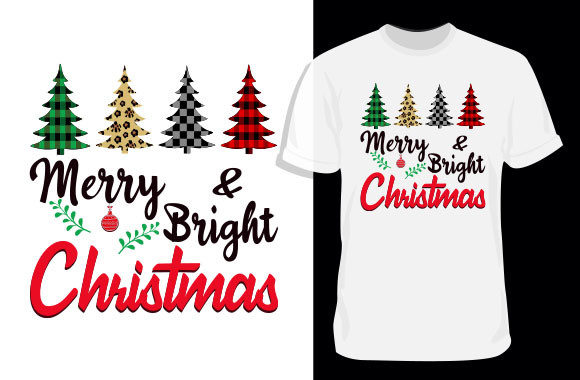
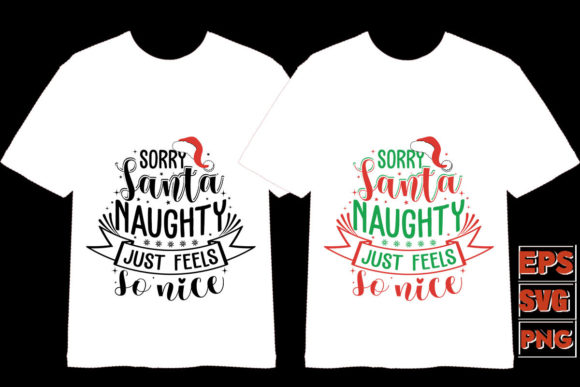
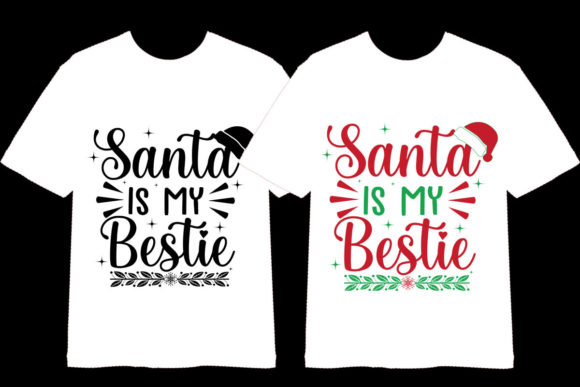
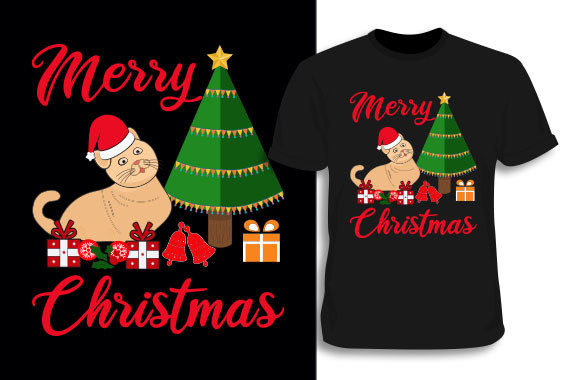
The first thing that strikes you about Christmas T-shirt Design 16 is its balanced composition. It does not rely on overly complex shading or microscopic details that often fail in production. Instead, it offers a clean, recognizable silhouette that communicates the holiday spirit without screaming for attention. For those of us creating T-Shirt Designs and other apparel Graphics, this restraint is valuable. It suggests a modern, boutique aesthetic rather than a cluttered, mass-produced look.
The layout feels intentional. Whether you are aiming for a centered chest piece on a sweatshirt or a pocket-sized accent on a button-down, the visual weight of the design sits comfortably. It creates a mood of cozy nostalgia, which is exactly what customers are looking for when they buy holiday embroidery items. However, as a reviewer, I must note that the digital files provided—PNG, AI, EPS, and SVG—are primarily vector and raster graphics. This means the "design" is a visual template. To turn this into a functional machine embroidery design, you will need to digitize it or use auto-digitizing software with caution. The clarity of the source vectors in the Adobe Illustrator CS6 versions is excellent, providing a solid foundation for creating smooth paths and accurate stitch placement.
Real-World Application: From Screen to Stitch
I recently used a similar visual concept for a custom order involving a set of canvas tote bag design projects for a local bakery’s holiday gifts. This experience highlighted where Christmas T-shirt Design 16 shines. Because the shapes are distinct and open, they translate well to larger hoop sizes, such as 5x7 or 6x10 inches. When applied to a sturdy cotton canvas, the design maintains its integrity. The lack of excessive internal detail means you avoid the "bird's nest" effect that plagues dense designs on textured fabrics.
For sweatshirt embroidery, this design is particularly effective. Fleece and heavy cotton blends can swallow up fine details, but the bold lines of this graphic remain visible. I envision this working beautifully on crewnecks for family matching sets or as a subtle accent on a high-end boutique hoodie. It also holds promise for baby embroidery projects, provided you scale it down appropriately and adjust the stitch density to keep the fabric soft against sensitive skin. A personalized gift featuring this motif on a onesie or burp cloth would likely resonate well with parents looking for understated elegance rather than cartoonish excess.
Versatility Across Product Lines
Beyond apparel, consider the potential for home decor. A pillow cover or kitchen towel featuring this design could elevate a simple textile into a premium handmade product. The key here is adaptation. Since you receive editable AI and EPS files, you can manipulate the elements to fit different aspect ratios. If you are an Etsy seller specializing in custom apparel, this versatility allows you to create a cohesive brand identity across multiple product types without needing to purchase separate assets for each item.
However, we must address the elephant in the room: these are Graphics, not native embroidery files like PES or DST. You cannot simply load the SVG into your machine and hope for the best. You must treat these as reference art. Use the transparent PNG for quick mockups to show clients how the finished product might look on different colored garments. Use the vector files to trace and digitize your own stitches, ensuring you control the underlay, pull compensation, and stitch types.
Technical Considerations and Pitfalls
While the visual appeal is strong, there are areas where caution is required. If you plan to use this on curved surfaces like caps, be mindful of distortion. The design’s width may need to be reduced to prevent wrapping around the side seams of a standard cap hoop. Additionally, if you are working with dark fabric, you will need to pay close attention to thread colors and underlay stitching. A light-colored thread on a black garment requires a dense satin or fill stitch border to prevent the background fabric from peeking through, which can ruin the clean lines of the design.
Another critical factor is stitch density. If you auto-digitize this vector, the software may create overly dense fills that make the fabric stiff and prone to puckering. Always test on scrap fabric first. Check how the design behaves on stretchy materials versus woven ones. For thin fabrics, a cut-away stabilizer is non-negotiable to maintain shape retention after washing. For thicker items like towels, a tear-away might suffice, but always verify.
Licensing and Commercial Use
Before you list any small shop product featuring this design, confirm the licensing terms. The product description states "You can use this," but it is vital to understand the scope. Does this allow for unlimited physical sales? Can you use the digital embroidery file derivatives in printable mockup listings? As a professional, I always advise reading the specific license agreement included with the download. Protecting your craft business from copyright issues is just as important as the quality of your stitching.
Final Verdict for Designers and Makers
Christmas T-shirt Design 16 is a robust visual asset for creators who understand the bridge between graphic design and embroidery. It is not a plug-and-play solution for those unfamiliar with digitizing, but for experienced makers, it offers a high-quality starting point. The editable nature of the AI and EPS files empowers you to tweak the design for specific hoop size constraints or to simplify elements for faster stitching times.
If you are looking to expand your design assets library with versatile holiday motifs that work well for commercial embroidery and personalized gifts, this is a worthy addition. Just remember: the magic happens in the digitizing and the stitching. Use the provided files as your blueprint, respect the limitations of your fabric and machine, and you will produce a finished product that delights customers and enhances your brand’s reputation for quality.
In summary, treat this as a professional-grade template. Test your tensions, choose your thread colors wisely, and let the clean lines of the design do the heavy lifting. Whether you are making a single personalized gift or a batch of inventory for the holiday rush, this design has the structural integrity to support your creative vision.