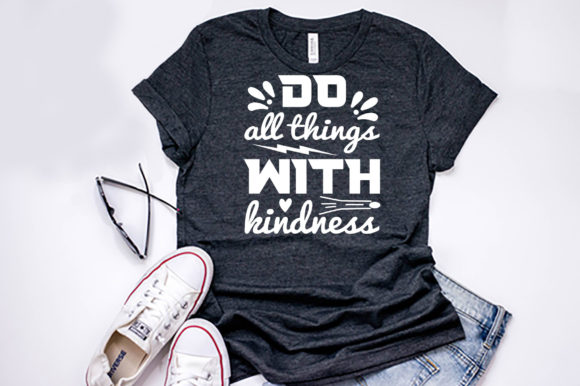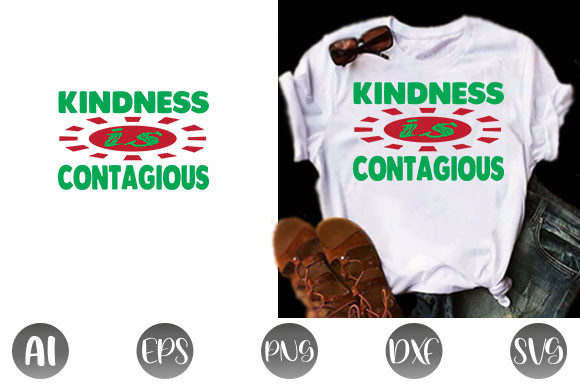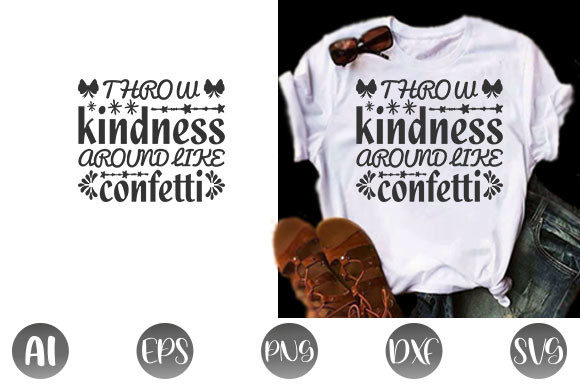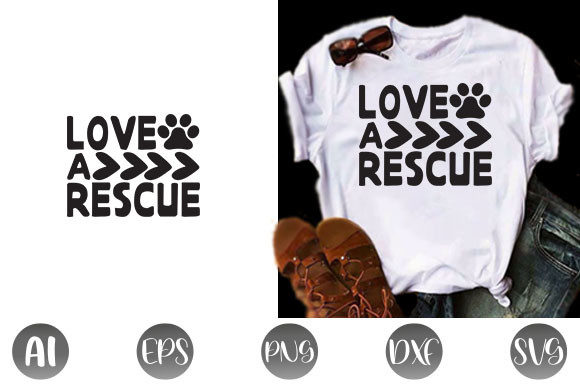
Reviewing the Kindness Quote Design for Embroidery
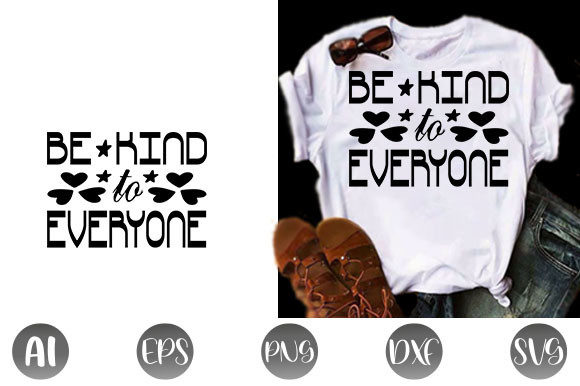
As a designer who spends more time staring at stitch simulations than I care to admit, I have learned that not every graphic translates well to thread. Some designs look fantastic on a screen but turn into a tangled mess of puckered fabric once the needle hits the hoop. When I first pulled up the Kindness Quote Design,Be Kind to Everyon, my initial reaction was one of cautious optimism. The message is timeless, and the typographic approach suggests a clean, modern aesthetic that fits perfectly within current trends for T-Shirt Designs and home decor.
However, optimism must always be tempered with technical scrutiny. I evaluated this design not just as a piece of digital art, but as a functional machine embroidery design intended for real-world application. Whether you are an Etsy seller looking to expand your line of personalized gifts or a hobbyist making items for family, understanding how these Graphics behave under the presser foot is crucial. Here is my practical assessment of using this design in your next project.
First Impressions and Visual Personality
The mood of the Kindness Quote Design,Be Kind to Everyon is undeniably warm and inviting. It carries a gentle authority, making it suitable for a wide range of audiences, from nursery decor to boutique apparel. Visually, the layout appears balanced, which is essential for embroidery. In digitizing, balance prevents the hoop from pulling unevenly, which can cause registration issues where the text shifts away from any accompanying graphical elements.
The visual personality here is minimalist yet impactful. For embroidery, this is often a double-edged sword. Minimalist designs rely heavily on perfect stitch execution because there is nowhere for errors to hide. The clarity of the lettering will determine the success of the final product. If the font choice within the design features thin serifs or intricate loops, it will require precise tension settings on your machine. From a reviewer’s standpoint, the design feels versatile. It does not scream for attention with excessive density, which suggests it could work well as a subtle accent on a high-end custom apparel piece or a bold statement on a canvas tote bag design.
Real-World Application: The Tote Bag Test
To truly gauge the utility of this design, I imagined applying it to a heavy cotton canvas tote bag. This is a popular item for small shop products and craft fair merchandise. The sturdy nature of canvas provides an excellent foundation for embroidery, allowing the stitches to sit on top of the fabric without sinking in. Using the Kindness Quote Design,Be Kind to Everyon in this context creates a product that feels thoughtful and handmade.
In this scenario, the design acts as the focal point. Because the message is positive and universal, it appeals to a broad customer base. For an embroidery project like this, I would recommend using a contrasting thread colors palette. A soft pastel thread on a natural canvas, or a crisp white on a navy bag, would enhance readability. The design’s structure seems robust enough to handle the texture of canvas, provided that the digitizer has accounted for the fabric’s weave. If the design includes any filled areas, ensuring the stitch density is appropriate for canvas will prevent the bag from becoming stiff or board-like.
Apparel and Soft Goods Considerations
Moving beyond bags, let’s consider sweatshirt embroidery. This is a massive market for commercial embroidery businesses. A kindness quote on a crewneck sweatshirt is a bestseller during the cooler months. However, fleece and terry cloth present challenges. The pile of the fabric can obscure fine details. If the Kindness Quote Design,Be Kind to Everyon contains very small text or delicate lines, they may get lost in the fuzz of the material.
For apparel, I always advise checking if the design works as an applique design. If the file package allows for easy conversion or if the design is structured to support applique, this can solve the visibility issue on textured fabrics. Alternatively, using a stabilizer with a higher tear strength is non-negotiable here. The weight of the stitches must be supported to prevent the garment from warping after washing. For baby embroidery projects, such as onesies or bibs, the softness of the stitch is paramount. You want the finished product to feel gentle against sensitive skin, so avoiding dense fill stitch areas in favor of lighter running stitch outlines or satin stitch borders is a smart move if the design permits.
Technical Constraints and Where to Be Careful
While the design is versatile, it is not without its limitations. One area requiring caution is the use on curved surfaces, such as caps or hats. Embroidering on a cap requires a specialized hoop and often results in some distortion. If the Kindness Quote Design,Be Kind to Everyon has long, horizontal lines of text, they may appear bowed when stitched on a curved panel. It is vital to preview the design in your software’s 3D simulation to check for this potential distortion before committing to expensive headwear stock.
Another critical factor is hoop size. You must confirm that the design dimensions fit within your available hoops. Trying to cram a large design into a small hoop by resizing it can lead to illegible text. Tiny lettering is the enemy of embroidery; if the design is scaled down too much for a small pocket logo, the letters may merge together, turning "Be Kind" into an unreadable blob. Always test the design on scrap fabric at the intended size. This simple step saves hours of frustration and wasted materials.
Additionally, consider the fabric type. On stretchy knits or thin silks, the pull of the embroidery threads can cause significant puckering. For these delicate materials, you might need to use a cut-away stabilizer rather than a tear-away, and potentially adjust the stitch density if your digitizing software allows. If the design is provided as a static digital embroidery file, you may not be able to adjust the density, so choosing the right fabric becomes even more important.
File Formats and Versatility for Makers
The product description notes that the ZIP file contains EPS, SVG, PNG, and DXF files. This is an interesting mix for an embroidery-focused review. Typically, embroidery machines require specific formats like PES, DST, or JEF. The presence of SVG and DXF suggests that this product is heavily geared towards cut machines and vinyl decals, as mentioned in the description for scrapbooking and vinyl use.
For the embroidery designer, this means you need to verify if actual machine embroidery files are included or if you are expected to digitize these vector graphics yourself. If you are using a cut machine for heat transfer vinyl (HTV) to mimic embroidery, these formats are perfect. However, if you are stitching directly, ensure you have the correct embroidery-specific file formats. If the listing implies these vectors are for you to import into digitizing software, that adds a layer of work but also creative control. You can adjust the stitch density and type to suit your specific needs, converting the design assets into a custom embroidery file that matches your machine’s capabilities.
Enhancing Brand Value and Customer Trust
From a business perspective, the Kindness Quote Design,Be Kind to Everyon offers more than just aesthetic appeal; it builds brand identity. Using positive, inclusive messaging in your small shop product line fosters a connection with customers who value mindfulness and community. It positions your brand as thoughtful and conscientious.
When presenting this design in your online store, use high-quality printable mockup images that show the texture of the stitches. Customers buying handmade items want to see the craftsmanship. Show the design on different backgrounds to demonstrate its versatility. A well-executed embroidery job signals professionalism. It tells the buyer that you care about quality, which justifies a higher price point. Whether it is a holiday embroidery gift or a year-round staple, the perceived value of a cleanly stitched quote design is high.
Final Practical Notes for the Designer
Before you launch this design into production, take these final steps. First, check the license. Confirm whether the design allows for commercial use if you plan to sell finished items. Second, test thread contrast. A low-contrast combination might look sophisticated on screen but fail to read clearly in person. Third, inspect the underlay. Good digitizing includes proper underlay stitches to anchor the design and stabilize the fabric. If you are digitizing this yourself from the provided SVG/EPS files, pay close attention to your underlay strategy.
In conclusion, the Kindness Quote Design,Be Kind to Everyon is a strong contender for your design library, provided you approach it with technical awareness. It fits seamlessly into the categories of T-Shirt Designs and general Graphics for crafting. By respecting the limitations of fabric and machine, and by leveraging the emotional resonance of the message, you can create products that are not only visually appealing but also meaningful to those who receive them. Happy stitching.