Reviewing the Dog T-shirt SVG for Embroidery
As a designer who spends more time staring at stitch maps than actual fabric, I have learned to look past the glossy preview images. When I first opened the Dog T-shirt Svg Vector Design, my initial reaction was not just about aesthetics, but about feasibility. We often see digital assets labeled as Print Templates or Graphics that look stunning on a screen but turn into a tangled mess under the needle. This review is for those of us who need to know if a design will hold up in the real world of thread, tension, and textured fabrics.
First Impressions and Visual Personality
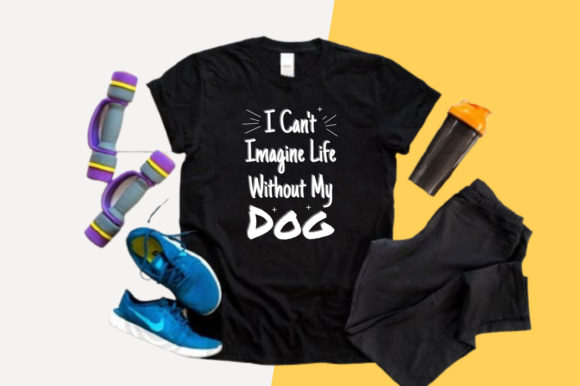
The mood of this design is approachable and playful, which immediately suggests its best home: casual, personalized items. The lines are clean, avoiding the chaotic noise that often plagues lower-quality vector files. For an embroidery project, this clarity is crucial. Complex, jagged edges in a digital file often translate to excessive jump stitches or poor coverage when digitized. Here, the shapes feel intentional. The visual personality is friendly, making it an ideal candidate for products that rely on emotional connection, such as baby clothes, pet owner apparel, or family gifts.
When evaluating any machine embroidery design, I look for balance. Does the weight of the design sit well? In this case, the layout appears centered and stable. This is important because unbalanced designs can cause hoop burn or fabric distortion, especially on lighter materials. The simplicity of the dog motif suggests it would work well with both satin stitch borders for definition and fill stitch interiors for texture, provided the digitizer respects the original vector’s integrity.
Real-World Application: The Custom Sweatshirt Test
To truly test the viability of the Dog T-shirt Svg Vector Design, I mentally placed it on a heavy cotton blend sweatshirt. This is a common request for small shop owners and Etsy sellers during the cooler months. On a thick fabric like fleece or French terry, the design needs enough presence to stand out without getting lost in the pile of the fabric.
In this scenario, the design performs well. Its bold outlines ensure visibility even from a distance. If I were producing this as a custom apparel item for a client, I would recommend using a contrasting thread color to make the dog pop against dark heather gray or navy fabric. The design’s structure allows for creative interpretation. You could use a single-color running stitch for a minimalist, modern look, or go full-color with varied thread colors to mimic a specific breed. This versatility adds value to the finished product, allowing you to charge a premium for customization.
Beyond sweatshirts, consider the tote bag design market. Canvas bags are sturdy and handle higher stitch density well. Placing this dog motif on a natural canvas tote creates a charming, eco-friendly aesthetic that appeals to dog lovers. It transforms a basic utility item into a statement piece. For embroidered patch creators, this vector is equally promising. Patches require clean edges to prevent fraying, and the clear boundaries of this design make it a strong candidate for merrowed or satin-edged patches.
Navigating Fabric Challenges and Hoop Constraints
While the design is versatile, it is not without its limitations. As an experienced reviewer, I must point out where caution is needed. If you plan to use this on stretchy fabrics like jersey knits for t-shirts, stabilization is non-negotiable. Without a proper cut-away stabilizer, the stitching may pucker, distorting the dog’s shape. The design’s width must also be considered relative to your hoop size. If you are working with a standard 4x4 hoop, you may need to scale the design down. Scaling down too much can cause details to merge, turning distinct features into a blob of thread.
Textured fabrics present another challenge. On a waffle-knit towel or a rough linen, fine details can get lost. If you are creating baby embroidery items, such as burp cloths or onesies, ensure the design is large enough to remain legible. Tiny details in the dog’s face or ears might disappear if the stitch count is too low or the scale is too small. Always test the design on scrap fabric first. This simple step saves hours of frustration and prevents wasted materials.
Dark fabrics require special attention to thread choice. If you are stitching on black or deep blue, ensure your thread has enough sheen or contrast. A matte thread on dark fabric can look flat and uninspiring. Consider using a metallic or high-sheen rayon thread to add dimension to the Dog T-shirt Svg Vector Design. This small tweak can elevate the perceived quality of your handmade product significantly.
Commercial Viability and Brand Consistency
For Etsy sellers and craft business owners, consistency is key to building brand trust. This design fits seamlessly into a broader collection of pet-themed assets. If you already sell holiday embroidery designs or personalized nameplates, adding this dog motif creates a cohesive shop aesthetic. Customers appreciate when they can mix and match designs that share a similar visual language.
The fact that this asset is categorized under Print Templates and Graphics means it likely comes in formats suitable for various applications beyond embroidery. You might use it for vinyl decals on mugs or printed posters. However, for embroidery specifically, you must ensure you have the correct digital embroidery file format compatible with your machine. Do not assume a SVG file is ready to stitch; it often requires digitizing software to convert vectors into stitch paths. If the product description includes pre-digitized files, check the stitch count and density settings. If it is purely a vector graphic, factor in the time and cost of digitizing it yourself or hiring a professional.
Using this design in commercial embroidery projects can boost buyer engagement. Pet owners are passionate and willing to invest in high-quality, personalized items. A well-executed dog design on a pillow cover or apron makes for an excellent gift. It taps into the emotional bond between humans and their pets, increasing the likelihood of social media shares and word-of-mouth referrals.
Practical Designer Notes for Best Results
- Test Before Production: Always stitch out a sample on the actual fabric you intend to use. Check for puckering, thread breaks, and color accuracy.
- Check Licensing: Confirm whether the license allows for commercial use of finished items. Some designers restrict the sale of digital files but allow the sale of physical products.
- Contrast is Key: Use high-contrast thread colors to ensure the design remains visible on busy or dark fabrics.
- Stabilizer Selection: Match your stabilizer to your fabric. Use cut-away for knits and tear-away for woven fabrics to maintain shape.
- Hoop Size Awareness: Ensure the design fits comfortably within your hoop without touching the edges, which can cause needle strikes.
- Mockup Verification: Create black and white mockups to check the design’s silhouette. If it looks good in monochrome, it will likely look good in color.
In conclusion, the Dog T-shirt Svg Vector Design is a solid addition to your library of design assets. It offers flexibility, charm, and commercial potential. By understanding its strengths and respecting its limitations regarding fabric and scale, you can create beautiful, professional-quality items that customers will love. Whether you are making a personalized gift for a friend or stocking your small shop product line, this design deserves a spot in your rotation. Just remember: the difference between a good design and a great finished product lies in the preparation and execution.