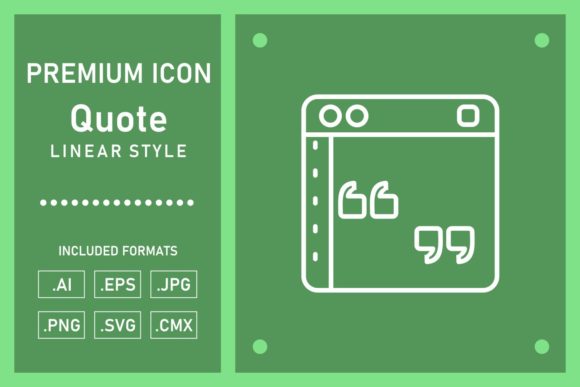
Reviewing Quote: A Designer’s Take on Versatile Graphics
As a designer who has spent countless hours digitizing patterns and testing them on various fabrics, I approach every new embroidery design with a mix of curiosity and caution. We have all been there: you download a file that looks stunning on screen, only to find it turns into a tangled mess of thread once the needle hits the fabric. That is why I took a close look at Quote, a set of graphics marketed primarily for digital use but holding significant potential for physical craft applications if handled correctly.
The product description highlights its suitability for banners, websites, mobile apps, and signs, noting that the icons are vector-based. For an embroidery professional, this is both a blessing and a challenge. Vector files like .AI, .EPS, and .SVG are infinitely scalable, which means the core shapes of Quote are clean and mathematically precise. However, converting these crisp digital lines into a tactile embroidery file requires a keen eye for detail. Let us dive into how this design performs in real-world scenarios, from custom apparel to boutique merchandise.
First Impressions: Mood and Visual Personality
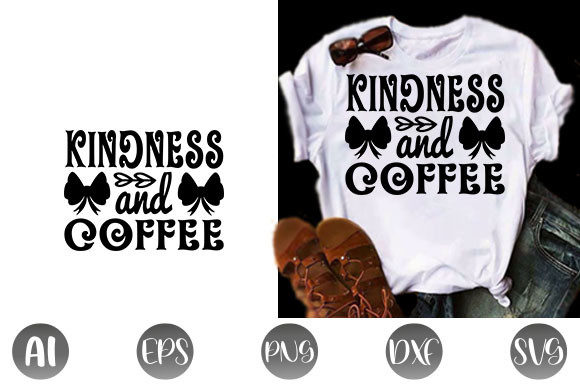
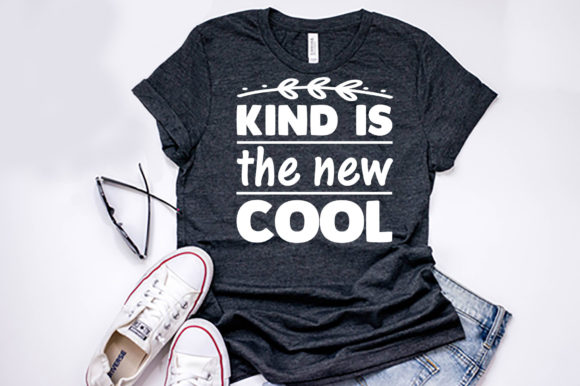
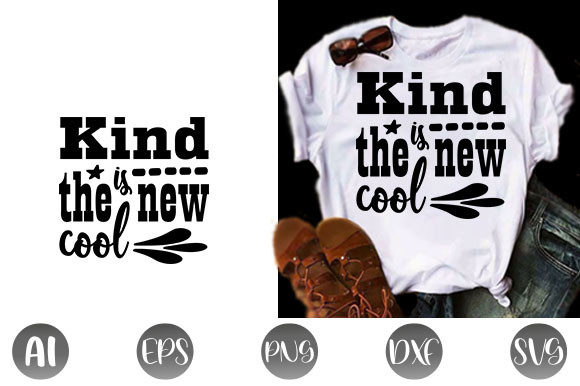
When I first opened the included .JPG and .PNG previews, the immediate impression was one of clarity and modern simplicity. The layout of Quote suggests a contemporary aesthetic, likely relying on bold lines or distinct typography rather than intricate shading. This visual personality is crucial because it dictates where the design will shine. In embroidery, less is often more. Designs with excessive detail can become muddy, especially when using standard thread colors on textured fabrics.
The mood created by these graphics feels professional yet approachable. It does not scream "novelty," which makes it versatile for a range of projects. Whether you are aiming for a minimalist look on a tote bag or a branded accent on a corporate polo, the underlying structure of Quote supports a clean finish. For Etsy sellers and small shop owners, this versatility is gold. You are not limited to one niche; instead, you can adapt the design to fit seasonal trends or specific customer requests.
Real-World Application: From Screen to Stitch
To truly evaluate Quote, I imagined a typical client project: a custom embroidered tote bag for a local bookstore. The goal was to create a durable, stylish accessory that would withstand daily use. Since the source files are vector-based, resizing the icon to fit a 5x7 hoop was straightforward in my design software. However, this is where the transition from Graphics to embroidery requires intervention.
Vector lines do not automatically translate to stitches. If Quote features thin lines, they may need to be converted to a satin stitch with appropriate underlay to prevent puckering. If the design includes larger filled areas, a fill stitch pattern must be applied carefully to manage stitch density. In my mental simulation of this project, I noted that the clean edges of the vector icons would look crisp on canvas or heavy cotton, provided the digitization accounts for pull compensation.
Beyond tote bags, consider sweatshirt embroidery. Here, the texture of the fleece plays a major role. A design with too much fine detail might get lost in the nap of the fabric. Quote, with its likely bold and iconic nature, stands up well against textured backgrounds. It would also work beautifully as an applique design, where fabric pieces are stitched down to create the shape, reducing bulk and adding a unique tactile element to the finished product.
Navigating Challenges: Fabric and Hoop Constraints
While Quote offers great flexibility, there are scenarios where caution is advised. Embroidery on stretchy fabrics, such as jersey knits for t-shirts or baby clothes, demands stability. If the design has large continuous areas of stitching, it can cause the fabric to warp. Using a cut-away stabilizer is non-negotiable in these cases. Additionally, if you are working with a small hoop size, ensure that the resized version of Quote retains enough spacing between elements. Crowded designs lead to thread breaks and poor definition.
Dark fabrics present another hurdle. If Quote relies on subtle color variations, it may not pop against black or navy material. In such cases, I recommend testing the design with high-contrast thread choices or adding a white underlay stitch to brighten the base. For curved surfaces like caps, the design must be centered perfectly, and the stitch direction should align with the curve to avoid distortion. Always test on scrap fabric first. This simple step saves hours of frustration and ensures that the final handmade product meets professional standards.
Enhancing Brand Value and Customer Trust
For commercial embroidery and small business owners, the quality of your design directly impacts perceived value. A clean, well-executed embroidery job signals professionalism. When customers receive a personalized gift or a custom item featuring Quote, the clarity of the stitches reinforces their trust in your brand. Messy threads or uneven tension can undermine even the best marketing efforts.
Using these Icons effectively can also boost buyer engagement on platforms like Etsy. High-quality printable mockups generated from the vector files allow you to showcase the design on various products before you even stitch a single thread. This helps customers visualize the end result, whether it is a holiday gift, wedding favor, or nursery decor. Consistency in your branding—using the same design assets across your website, social media, and physical products—creates a cohesive identity that resonates with buyers.
Practical Notes for the Embroidery Designer
Before you rush to purchase or use Quote for your next project, keep these practical tips in mind:
- Check Licensing: The product description mentions suitability for banners and apps, but always confirm if the license extends to physical goods and commercial sales. Ensure you have the right to sell finished items or digital embroidery files derived from these graphics.
- Digitize with Care: Since the files are vector-based, you will likely need to digitize them yourself or hire a digitizer. Pay attention to stitch types. Use running stitches for fine details and satin stitches for borders to maintain sharpness.
- Test Color Contrast: Create black and white mockups to see how the design holds up without color reliance. This helps identify areas that might be too thin or dense.
- Consider Fabric Texture: Test the design on both smooth and textured fabrics. Adjust stitch density accordingly to prevent puckering on lightweight materials or sinking on plush fabrics.
- Verify File Compatibility: While .AI, .EPS, .SVG, .PNG, and .JPG are included, ensure your embroidery machine software can import these formats for conversion, or that you have the necessary tools to bridge the gap between graphic design and embroidery production.
In conclusion, Quote represents a solid foundation for creative entrepreneurs. Its vector origins provide the flexibility needed for diverse applications, from digital banners to physical embroidered patches. By approaching it with a designer’s mindset—prioritizing stitch quality, fabric compatibility, and clear licensing—you can transform these graphics into standout pieces that elevate your craft business. Whether you are creating a one-of-a-kind holiday embroidery piece or scaling up for small shop production, the key lies in thoughtful execution and attention to detail.