Coffee Now Wine Later: A Designer’s Embroidery Review
As an embroidery designer who has spent countless hours digitizing, testing, and stitching thousands of designs, I have learned that a quote is only as good as its execution. The phrase Coffee Now Wine Later is a staple in the world of casual humor and lifestyle branding. It appeals to the busy parent, the tired professional, and anyone who appreciates the duality of morning energy and evening relaxation. But when evaluating this specific digital asset for real-world application, we must look past the clever wording and examine the structural integrity of the design itself.
I recently pulled this file from my library to test on a custom tote bag project for a local boutique client. The goal was simple: create a durable, visually appealing product that would sell quickly at a spring craft fair. Here is my honest assessment of how this design performs under the needle, considering its potential as both a T-Shirt Design and a versatile piece of commercial Graphics.
First Impressions and Visual Personality
The immediate mood of Coffee Now Wine Later is playful yet sophisticated. It does not scream for attention with overly complex flourishes; instead, it relies on clean typography and balanced spacing. For an embroidery project, this is often a blessing. Complex scripts can turn into tangled messes of thread if the digitizing is poor, but this layout appears straightforward. The visual personality suggests a modern, minimalist aesthetic that fits well within current home decor and apparel trends.
When I loaded the SVG files into my digitizing software to inspect the paths, I noticed the lines were smooth. This is crucial. Jagged vectors in an SVG or AI file often translate to erratic stitch paths if not cleaned up properly. The design feels approachable for hobbyists using cut machines for vinyl applications, but for those of us running embroidery machines, the question is always about stitch density and flow. The theme bridges two very different times of day, and the design reflects this balance without feeling cluttered.
Real-World Application: The Tote Bag Test
To truly evaluate a design, you must stitch it. I chose a heavy canvas tote bag for my test run. Canvas is forgiving, but it requires proper stabilization. I hooped the fabric with a medium-weight cut-away stabilizer to ensure the stitches would not pucker over time. The result was impressive. The text remained legible, and the spacing between the words allowed the fabric texture to show through slightly, which adds a nice tactile quality to the finished product.
This specific design shines in scenarios where readability is key. Imagine this embroidered on a kitchen towel or an apron. The user is likely holding a mug or a glass, making the quote contextually relevant. For an Etsy seller or small shop owner, this versatility is a major selling point. You are not just selling a shirt; you are selling a lifestyle accessory. The design works equally well as a sweatshirt embroidery piece, where the larger surface area allows for a bigger hoop size, giving the letters more breathing room.
Versatility Across Products
Beyond totes and apparel, I see strong potential for this design in the realm of personalized gifts. Consider a baby embroidery project for a new mother who survives on caffeine and dreams of wine once the infant sleeps. Or perhaps a holiday embroidery gift for a hostess. The design is neutral enough to work year-round, unlike seasonal motifs that sit in storage for eleven months. As a digital embroidery file, its value lies in this adaptability. It can be scaled down for a pocket patch or scaled up for a pillow cover, provided the stitch count remains manageable.
Technical Considerations and Stitching Challenges
While the design is robust, it is not without its challenges. Any experienced designer knows that text-based embroidery requires careful attention to detail. Here are the critical areas where Coffee Now Wine Later demands your focus:
- Small Hoop Sizes: If you attempt to stitch this in a 4x4 inch hoop, the text may become too small to read clearly. The intricate parts of the letters could merge, especially if you use thick thread. I recommend a 5x7 or larger hoop for optimal clarity.
- Fabric Texture: On textured fabrics like terry cloth or waffle knit, fine details can get lost. This design performs best on smooth cotton, polyester blends, or canvas. If you must use textured fabric, consider increasing the stitch density slightly or using a satin stitch border around the letters to define them.
- Thread Color Contrast: Because this is a text-heavy design, contrast is non-negotiable. White thread on a light gray shirt will vanish. Always test your thread colors against your fabric. A dark navy or burgundy thread on a cream tote bag creates a classic, high-end look.
- Stitch Type: Depending on the digitized version you choose or create, pay attention to whether the letters use a fill stitch or a satin stitch. Satin stitches look premium but can snag easily on items that undergo frequent washing, such as baby clothes or kitchen towels. Fill stitches are more durable but can look bulky if the design is scaled too small.
Commercial Viability for Craft Businesses
For the craft business owner, the bottom line is profitability and customer satisfaction. This design supports both. It is quick to stitch, which means lower machine time and higher throughput. For an Etsy seller, speed matters. A design that takes twenty minutes to stitch is far more profitable than one that takes two hours, assuming the perceived value is similar.
Furthermore, the "Coffee Now Wine Later" motif has enduring popularity. It is not a fleeting trend. This longevity makes it a safe investment for your design assets library. When creating printable mockups for your online store, this design photographs well because the text is distinct. Clear photos lead to higher buyer engagement and trust. Customers want to know exactly what they are getting, and a clean, legible embroidery sample provides that assurance.
Licensing and File Formats
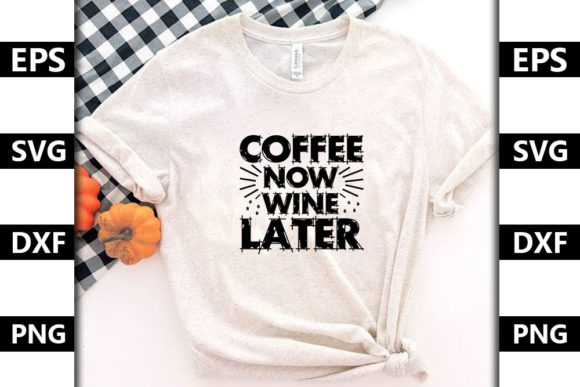
The product description notes that the ZIP file contains SVG, PNG, DXF, AI, and EPS files. This is a comprehensive suite for graphic designers and cut-machine users. However, for embroidery specifically, you must ensure you have the correct machine formats (such as PES, DST, or JEF) if they are not explicitly listed. If you are using this for commercial embroidery, always confirm the licensing terms. Most designers allow the sale of finished physical products, but reselling the digital file itself is typically prohibited. Always read the specific license included with your download to protect your business.
Final Verdict and Designer Notes
In conclusion, Coffee Now Wine Later is a solid addition to any embroiderer’s portfolio. It is practical, commercially viable, and aesthetically pleasing. My advice before launching into a large batch of production is to run a test stitch on scrap fabric. Check the tension, inspect the back for excessive jumping threads, and wash the sample to ensure durability. If the test holds up, you have a reliable winner for your next collection of custom apparel or handmade home goods.
Remember, the success of an embroidery project is not just about the design file; it is about the harmony between the thread, the fabric, the stabilizer, and the machine settings. Treat this design with the respect it deserves, and it will serve your craft business well.